

Call Us
24
Mar
Can ESG Be Reversed? Understanding the Permanent Nature of Non-Surgical Weight Loss
Author: Dr. Shapsis
Khrom MedSpa And Weight Loss
Endoscopic Sleeve Gastroplasty (ESG) is a non-surgical procedure that uses an internal suturing device to reduce the stomach’s size by about 70%. While the sutures used in ESG are technically removable in a clinical setting, the procedure is intended to be a permanent metabolic tool. Patients often ask if the “sleeve” can be undone if they reach their goal weight or experience discomfort, but the biological and clinical reality is more complex than a simple “reversal.”
Key Takeaways
- 🟢 ESG is designed as a permanent anatomical and metabolic change.
- 🟢 Reversal is clinically possible but rare and technically difficult.
- 🟢 Most “reversals” are actually repairs for rare complications.
- 🟢 The stomach does not automatically return to its original shape.
Table of Contents
show
What Is ESG Reversal?
In theory, reversing an ESG involves an endoscopic procedure where a physician enters the stomach with a camera and specialized tools to cut or remove the permanent sutures. Once the sutures are gone, the “accordion” folds of the stomach tissue are released, allowing the organ to expand back toward its original volume. However, because the stomach is a muscle that has been held in a restricted shape for months or years, it does not always regain its original elasticity or function immediately after the sutures are removed.
Why It Happens
Patients typically inquire about reversal for two reasons: they have reached their goal weight and believe they no longer need the restriction, or they are experiencing persistent side effects like severe acid reflux or nausea. In some cases, a patient may require a reversal to undergo a different type of surgery, such as a traditional gastric bypass, if they have experienced significant weight regain and need a more aggressive metabolic intervention.
What Causes a Physician to Recommend Reversal?
Medical professionals rarely recommend reversing an ESG for lifestyle reasons. Instead, a reversal is usually a corrective measure for a clinical issue. The most common trigger is “intolerance” to the procedure, where a patient’s anatomy does not adapt well to the new stomach shape, leading to chronic vomiting or malnutrition. Another cause is the migration of a suture or a rare blockage that prevents food from passing correctly through the narrowed gastric sleeve.
How It Develops
Over time, the stomach tissue around the sutures can develop small amounts of scar tissue (fibrosis). If a reversal is attempted years after the initial procedure, this scar tissue can make the “unfolding” of the stomach much more difficult. The longer the sutures remain in place, the more the stomach adopts its new tubular shape as its “new normal,” making a total return to the original pre-ESG anatomy less likely with each passing year.
Symptoms or Signs a Reversal Is Needed
If a patient requires a reversal due to complications, the signs are usually clear and persistent. These include severe, chronic abdominal pain that does not resolve with medication, an inability to keep down liquids, or significant nutritional deficiencies despite following a prescribed supplement regimen. Some patients may also experience “suture irritation,” where the internal stitches cause localized inflammation that leads to persistent discomfort.
How Doctors Recognize It
We use a combination of an upper endoscopy (EGD) and imaging tests like a barium swallow. During the endoscopy, Dr. Shapsis can physically see the integrity of the sutures and the health of the stomach lining. If the imaging shows that the stomach has become too narrow or that a fold in the tissue is causing an obstruction, a reversal or a “revision” (adjusting the sutures) becomes a clinical necessity to protect the patient’s health.
Treatment or Prevention Options
Rather than a full reversal, many patients benefit more from a “revision.” If the stomach has stretched slightly or a specific suture has loosened, we can often add new sutures to restore the restriction. If the goal is to stop further weight loss, we focus on nutritional counseling and increasing caloric density rather than removing the sutures. Preventing the need for reversal starts with a thorough pre-operative screening to ensure the patient’s anatomy and lifestyle are a good match for the procedure.
Clinical Approaches Doctors Use
If a full reversal is required, it is performed endoscopically, just like the original procedure. We use a “suture cutter” device to carefully snip the high-strength threads. Because there are no external incisions, the recovery is relatively quick. However, we must carefully monitor the patient afterward, as the sudden increase in stomach capacity can lead to rapid weight regain if a strict maintenance plan is not already in place.
Real-World Results: Beyond the Clinical Data
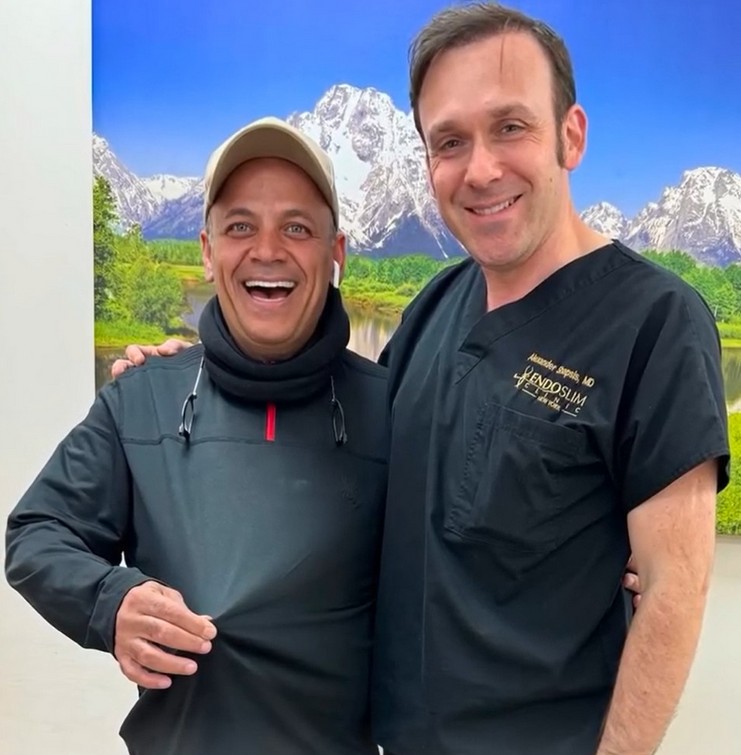
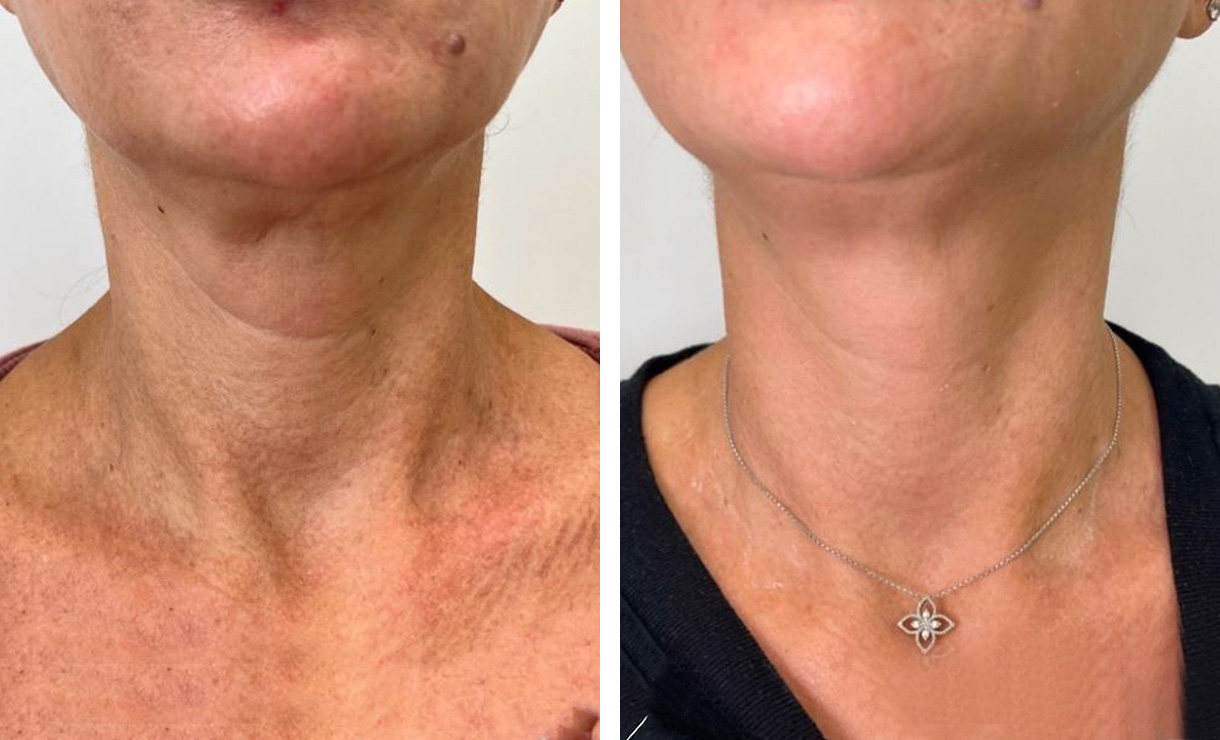
While understanding the mechanics of a procedure is the first step, seeing the physical reality of a transformation is what often makes the decision clear. We have documented a wide range of journeys in our gallery to show you exactly what is possible when medical expertise meets patient dedication. Whether you are curious about the timeline of your own potential progress or simply need to see that others have successfully walked this path before you, our collection of case studies provides a transparent look at the results.
Learn More About: ESG Success Stories: Real Transformations and Before-After Results
When Should You See a Doctor?
You should speak with your specialist if you feel that your ESG is no longer providing the restriction it once did, or if you are experiencing pain that prevents you from eating a balanced diet. It is also vital to consult a doctor if you are considering a different bariatric surgery, as the presence of ESG sutures changes the surgical landscape. Most “stomach issues” can be managed without a reversal, so a professional evaluation is the only way to determine the best path forward.
🟨 No surgery, no hospital stay, no scars — ESG remains one of Florida’s safest and most popular minimally invasive weight loss procedures for local and visiting patients.
Schedule Your Consultation Today
Dr. Alexander Shapsis is dedicated to helping patients achieve their weight loss goals safely and effectively. To learn more about the Endoscopic Sleeve Gastroplasty (ESG) and explore your options, schedule a consultation today.
Location: 12462 West Atlantic Boulevard, Coral Springs, FL
Phone: 1-954-758-4245
FAQ Section

Treatment in Florida and NYC
Contact a Top-Rated Endoscopic and Medical Weight Loss Doctor
Dr. Alexander Shapsis, a Board-Certified gastroenterologist with 20 years of endoscopic experience, offers expert care at EndoSlim Clinic FL and Khrom MedSpa & Weight Loss. His extensive background and dedication to patient-centered care make him a leader in Medical Weight Loss and Bariatric Endoscopy.
Medical Disclaimer
For Informational Use Only: This content is for educational purposes and does not constitute medical advice, diagnosis, or treatment. Accessing this site does not establish a doctor-patient relationship.
Consult Your Physician: Always seek the advice of a qualified healthcare provider regarding any medical condition. Never disregard professional medical advice or delay seeking it because of something you have read here.
Emergencies: If you have a medical emergency, call 911 or your local emergency services immediately.

Dr. Tatiana Khrom, MD & Dr. Alexander Shapsis, MD
Dr. Tatiana Khrom, MD, a board-certified dermatologist with over 15 years of experience, and Dr. Alexander Shapsis, MD, a Board-Certified Specialist in Gastroenterology and Obesity Medicine with over 17 years of experience, are leaders in their respective fields.
Dr. Khrom offers expert cosmetic and surgical dermatology, specializing in Mohs surgery and advanced laser techniques. Dr. Shapsis provides effective, non-surgical weight loss solutions, utilizing personalized care and minimally invasive treatments. Together, they bring decades of expertise to help patients achieve their health and wellness goals with confidence.
Before & After Gallery

- Before
- After

- Before
- After

- Before
- After

- Before
- After

- Before
- After

- Before
- After

- Before
- After

- Before
- After
- Before
- After

- Before
- After
- Before
- After

- Before
- After

- Before
- After

- Before
- After

- Before
- After
Insurances Accepted
Khrom MedSpa & Weight Loss accepts most major health insurances plans. For a complete list, please visit our Insurances Accepted center.


28.300
Happy Patients
4.90
Overall Rating
5.0
Knowledge Rating
5.0
Referral Rating
Stay In Touch
Follow us on Instagram to stay up to date and get exclusive offers.
