

Call Us
06
Mar
Can I Get Addicted to Ozempic or Mounjaro? A Doctor’s Perspective
We’ve all heard the buzz about Ozempic and Mounjaro for weight loss. They’ve helped many people achieve significant results, but questions about their long-term effects and potential for dependence are common. As a board-certified specialist in gastroenterology and obesity medicine with over 17 years of experience, I want to address these concerns directly. Specifically, let’s tackle the question: Can you get addicted to Ozempic or Mounjaro?
Table of Contents
show
Can You Get Addicted to Ozempic or Mounjaro? The Truth About Dependence and Weight Loss
The short answer is no, not in the same way you might become addicted to substances like opioids or nicotine. Ozempic and Mounjaro mimic natural hormones that regulate appetite and blood sugar. They don’t directly affect the brain’s reward centers in the same way addictive drugs do. These medications don’t create the intense cravings or the compulsive drug-seeking behavior associated with addiction. They don’t produce a “high” or lead to physical withdrawal symptoms.
However, the picture is a bit more nuanced. While you won’t experience a traditional “high” or withdrawal symptoms if you stop taking them, psychological dependence is possible. This is particularly true if you’ve experienced significant weight loss while on these medications. You might feel anxious or worried about regaining weight if you stop taking them, leading to a reliance on the medication for weight management. This feeling of reliance can sometimes be mistaken for addiction. It’s more about the psychological comfort and perceived control overweight that the medication provides.

It’s also important to understand that these medications are tools, not magic bullets. They are most effective with healthy lifestyle changes, including a balanced diet and regular exercise. Relying solely on medication without addressing the underlying causes of weight gain can lead to a cycle of weight loss and regain, which can be both physically and emotionally challenging. This “yo-yo” effect can contribute to feelings of dependence on the medication, as individuals may see it as the only solution to their weight struggles. This can create a sense of helplessness without the medication.
Furthermore, the rapid weight loss some experience can be incredibly reinforcing. It can lead to a feeling of euphoria and increased self-esteem. This positive reinforcement can make individuals want to stay on the medication indefinitely, even if it’s no longer medically necessary. This is where the potential for psychological dependence can develop.
How do I know if I’m becoming too reliant on Ozempic or Mounjaro?
Here are some signs to watch out for:
- Constant preoccupation with your next dose: Are you constantly thinking about your medication and feeling anxious if you miss a dose? Does your day revolve around taking the medication?
- Fear of weight gain without the medication: Do you feel panicked at the thought of stopping the medication, even if you’ve made significant lifestyle changes? Do you believe you are incapable of maintaining your weight without it?
- Ignoring lifestyle changes: Are you relying solely on the medication without making any effort to improve your diet or exercise habits? Are you using the medication as a substitute for healthy behaviors?
- Difficulty managing emotions without the medication: Do you find yourself using the medication as a crutch for emotional eating or other unhealthy coping mechanisms? Is the medication tied to your sense of well-being?
- Increased dosage without medical supervision: Are you tempted to increase your dosage beyond what your doctor prescribed in an attempt to accelerate weight loss or maintain the effects? This is a dangerous practice and can lead to serious health complications.
- Continuing medication despite adverse side effects: Are you experiencing negative side effects but continuing the medication regardless because of your fear of weight gain?
You must talk to your doctor if you recognize any of these signs. They can help you develop a comprehensive weight management plan that includes medication, nutritional counseling, exercise guidance, and psychological support if needed. They can also help you address any underlying emotional or psychological factors contributing to weight issues.
Frequently Asked Questions
- Q: What happens if I stop taking Ozempic or Mounjaro? A: You may experience some weight regain, especially if you haven’t made significant lifestyle changes. It’s crucial to have a plan in place for maintaining your weight loss after stopping medication. This plan should include dietary strategies, exercise routines, and ongoing support from a healthcare professional.
- Q: Are there any long-term side effects of Ozempic or Mounjaro? A: While these medications are generally safe and well-tolerated, some potential long-term side effects are still being studied. It’s essential to discuss the risks and benefits with your doctor. Regular monitoring is crucial.
- Q: Can I take Ozempic or Mounjaro forever? A: The long-term use of these medications is still being researched. Your doctor can help you determine the best course of treatment for your individual needs. They can also help you transition off the medication safely when appropriate.
- Q: Will I regain all the weight if I stop taking Ozempic or Mounjaro? A: Not necessarily. If you have implemented healthy lifestyle changes, you are more likely to maintain your weight loss. The key is to view these medications as a tool to help you establish healthy habits, not as a permanent solution.
Contact Our Top-Rated Weight Loss Doctor
If you’re considering medical weight loss medication, I offer discount pricing, insurance verification, and virtual consultations for Florida residents.
- Discount Pricing: Affordable rates to help you start your weight loss journey.
- Insurance Verification: I’ll help you navigate your insurance to see if it covers your treatment.
- Virtual Consultations: Convenient online consultations for Florida residents so you can start from the comfort of your home.
For pricing and more details, contact Dr. Shapsis’ office today to learn how to take advantage of these offers and start your weight loss journey.
For a consultation, you can:
Or Use our Contact Form to schedule a convenient telemedicine consultation.
Visit: 12462 West Atlantic Boulevard, Coral Springs.
Call (954)-738-5886 to schedule your appointment.

Statement from Dr. Shapsis
I am proud to have recently earned my certification from the American Board of Obesity Medicine, adding to my Gastroenterology and Internal Medicine expertise. This third certification enhances my ability to provide comprehensive care in medical weight loss.

- Diabetes drugs and weight loss – Mayo Clinic
- Ozempic® (semaglutide) injection for Type 2 Diabetes – Ozempic.com
- Mounjaro Managing Type 2 Diabetes – Mounjaro.lilly.com
Disclaimer: This blog post is for informational purposes only and should not be considered medical advice. Always consult your doctor before starting any new medication or changing your treatment plan.

Dr. Tatiana Khrom, MD & Dr. Alexander Shapsis, MD
Dr. Tatiana Khrom, MD, a board-certified dermatologist with over 15 years of experience, and Dr. Alexander Shapsis, MD, a Board-Certified Specialist in Gastroenterology and Obesity Medicine with over 17 years of experience, are leaders in their respective fields.
Dr. Khrom offers expert cosmetic and surgical dermatology, specializing in Mohs surgery and advanced laser techniques. Dr. Shapsis provides effective, non-surgical weight loss solutions, utilizing personalized care and minimally invasive treatments. Together, they bring decades of expertise to help patients achieve their health and wellness goals with confidence.
Before & After Gallery

- Before
- After

- Before
- After

- Before
- After

- Before
- After

- Before
- After

- Before
- After

- Before
- After

- Before
- After

- Before
- After

- Before
- After
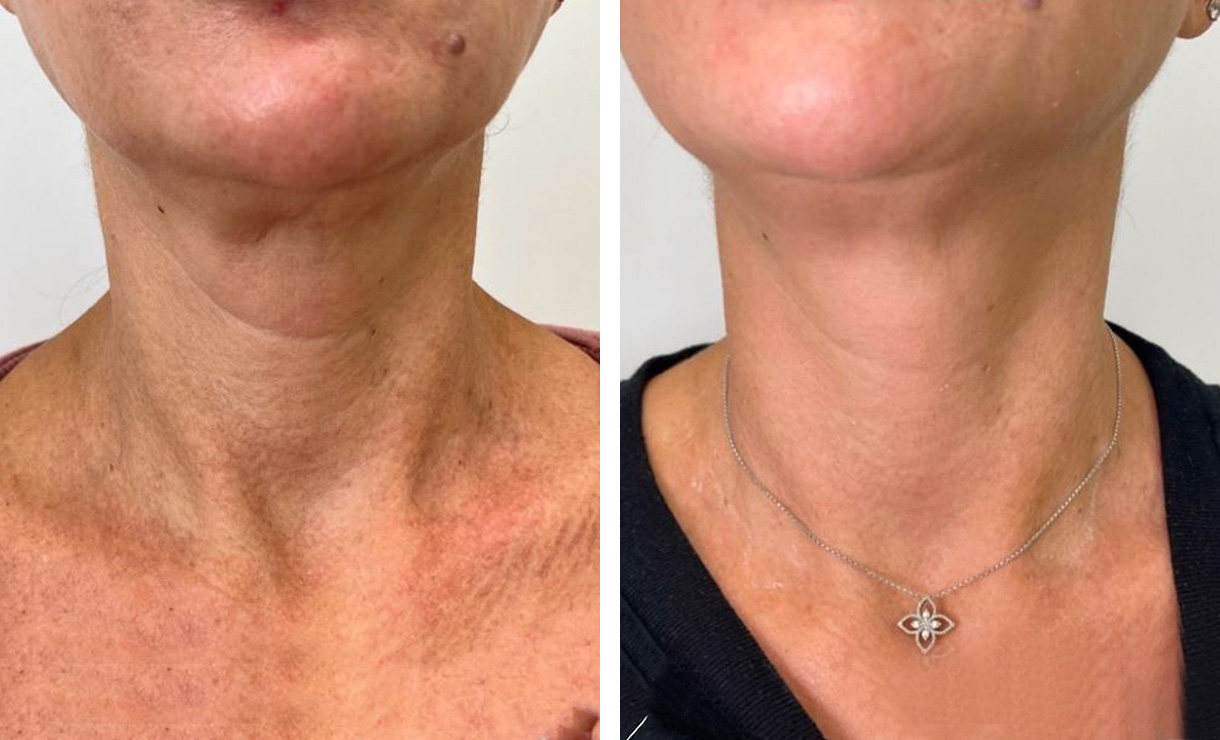
- Before
- After

- Before
- After

- Before
- After

- Before
- After

- Before
- After
Insurances Accepted
Khrom MedSpa & Weight Loss accepts most major health insurances plans. For a complete list, please visit our Insurances Accepted center.


28.300
Happy Patients
4.90
Overall Rating
5.0
Knowledge Rating
5.0
Referral Rating
Stay In Touch
Follow us on Instagram to stay up to date and get exclusive offers.
