

Call Us
19
Oct
How Stress Affects Psoriasis: The Connection Between Stress and Psoriasis
Stress and psoriasis are often linked because stress is a major trigger for psoriasis. Stress causes psoriasis flares, which, in turn, can worsen itching in specific areas of the body. The exact reason stress triggers psoriasis flares is somewhat unknown to researchers. One common factor among psoriasis patients is that the system controlling their stress response, the Hypothalamic-Pituitary-Adrenal (HPA) axis, seems to have issues. People with psoriasis tend to have low levels of the stress hormone cortisol, which helps fight inflammation.
Table of Contents
show
Living with Psoriasis in Florida
For those living in Florida, the unique climate can add another layer of complexity to managing psoriasis. The humidity can sometimes exacerbate symptoms, while the strong sunshine, although beneficial for vitamin D production, can also trigger flares in some individuals. Finding ways to manage stress is especially crucial here.
What is Psoriasis?
Psoriasis is a non-life-threatening skin condition. People with this condition develop abnormal patches of skin that can appear all over the body. These patches often present as red, raised, and scaly dry areas that vary in size. While psoriasis does not directly interfere with overall health, many people with the condition report that it affects other areas of their lives—particularly their social lives—due to the visibility of the patches. This can lead to issues such as low self-esteem, negative self-perception, and depression.

What is Stress?
Stress is a biological response that helps the body cope with unfamiliar, overwhelming, or unknown situations. Ideally, we would always know how to deal with situations as they arise, but as we all know, things rarely go as planned. Stress is your body’s way of dealing with threats or danger, helping you handle situations more efficiently.
How Stress Triggers Psoriasis: Impact on Kids, Women, Men, and the Elderly
- Immune System Overactivation and Psoriasis Flare-ups: The immune system protects us from foreign invaders, such as bacteria, by destroying them to prevent illness. Inflammation occurs when extra blood and nutrients are rushed to a particular area. In cases of psoriasis, the immune system overreacts, mistaking healthy cells for foreign invaders, which leads to inflamed skin patches and swelling where no threat is present. This overreaction creates areas known as plaques on the body.
- Stress Hormones: Cortisol and Adrenaline’s Role in Psoriasis: Stress releases two hormones—cortisol and adrenaline—that signal the body to respond to stressful situations. Under normal circumstances, these hormones help the body manage stress. However, stress can worsen the condition in people with psoriasis and cause even more inflammation. This cycle, known as the Stress-Flare Cycle, perpetuates the problem.
- Impact of Stress on Skin Barrier Function: Stress can increase skin dryness and itchiness. This happens because stress is an immediate response to survival, and it affects the skin barrier by decreasing protective lipids (fats) and proteins. This leads to even drier skin and worsens psoriasis.
Stress can significantly impact psoriasis, a chronic autoimmune condition that speeds up the growth cycle of skin cells, leading to red, scaly patches. Stress can worsen psoriasis symptoms for people of all ages, including kids, women, men, and the elderly. Here’s how stress affects different groups:
1. Kids:
- Emotional stress can be a major trigger for children with psoriasis. School pressures, bullying, or family issues may cause flare-ups.
- Psychological effects: Psoriasis can be distressing for children, leading to social anxiety and self-esteem issues, which can in turn worsen the condition.
2. Women:
- Hormonal changes: Women may experience flare-ups during stressful life stages, such as pregnancy, menopause, or menstrual cycles.
- Work-life balance: Managing work, family, and personal stress may trigger more severe psoriasis symptoms. Emotional stress can exacerbate inflammation.
3. Men:
- Job-related stress: Men, particularly those in high-pressure work environments, may experience more frequent or intense flare-ups.
- Mental health: Stress-related mental health issues, such as anxiety and depression, can worsen psoriasis in men, leading to a vicious cycle of stress and symptoms.
4. Elderly People:
- Chronic stress: Older individuals may face stress from health concerns, loneliness, or life changes, which can worsen their psoriasis.
- Weaker immune systems: With age, the immune system becomes less efficient at regulating the inflammatory response, making stress more likely to trigger flare-ups.
Why Do Some People Experience More Severe Psoriasis with Stress??
Pre-existing medical conditions, reactions to certain medications, and the way people with psoriasis manage their symptoms can all cause more severe reactions to the condition.

How Do I Manage Stress to Control My Psoriasis?
One effective way to manage stress and control psoriasis is by practicing relaxation techniques such as meditation. Exercise is also essential, as it helps release feel-good hormones like endorphins. Practicing mindfulness, avoiding substances like alcohol, and joining a support group can also help manage stress and control psoriasis.
Finding Support and Treatment in Florida
Managing stress is crucial for controlling psoriasis, and many resources are available in Florida to help. Consider joining a local support group or seeking guidance from a therapist specializing in stress management techniques.
Are There Medical Treatments to Help with My Psoriasis and Flare-ups?
Dermatologists at KHROM MEDSPA & WELLNESS can help diagnose, locate, and administer treatments based on the type and severity of your psoriasis. We offer a relaxing, state-of-the-art getaway equipped with laser, light therapy, radiofrequency, cryolipolysis, and other specialized treatment methods, ensuring you have access to the latest psoriasis treatments available. Call us at (954)-738-5886 for informational inquiries or appointment requests. Location: 12462 W Atlantic Blvd, Coral Springs, FL 33071

Why Choose Khrom MedSpa & Weight Loss?
- Expert Care: Our team is led by board-certified dermatologist Dr. Tatiana Khrom, who ensures you receive the highest-quality care.
- Personalized Treatment: We tailor each treatment plan to your needs and skin concerns.
- Advanced Technology: We use the latest laser technology to deliver optimal results.
- Comfortable Setting: Our medspa provides a relaxing and welcoming environment.
- Multilingual Care: We offer services in English, Russian, Spanish, and Ukrainian.

Serving South Florida’s Communities
Patients come from South Florida to see Dr. Khrom, especially from Broward County, Palm Beach County, and Miami-Dade County. The areas served include:
- Broward County: Coral Springs, Parkland, Coconut Creek, Margate, Fort Lauderdale, Pompano Beach, Hollywood, Weston, Pembroke Pines, and more.
- Palm Beach County: Boca Raton, Delray Beach, Boynton Beach, Lake Worth Beach, Highland Beach, and others.
- Miami-Dade County: Hialeah, Miami Lakes, Aventura, North Miami Beach, and other nearby areas

Dr. Tatiana Khrom, MD & Dr. Alexander Shapsis, MD
Dr. Tatiana Khrom, MD, a board-certified dermatologist with over 15 years of experience, and Dr. Alexander Shapsis, MD, a Board-Certified Specialist in Gastroenterology and Obesity Medicine with over 17 years of experience, are leaders in their respective fields.
Dr. Khrom offers expert cosmetic and surgical dermatology, specializing in Mohs surgery and advanced laser techniques. Dr. Shapsis provides effective, non-surgical weight loss solutions, utilizing personalized care and minimally invasive treatments. Together, they bring decades of expertise to help patients achieve their health and wellness goals with confidence.
Before & After Gallery

- Before
- After

- Before
- After

- Before
- After

- Before
- After

- Before
- After

- Before
- After

- Before
- After

- Before
- After

- Before
- After

- Before
- After
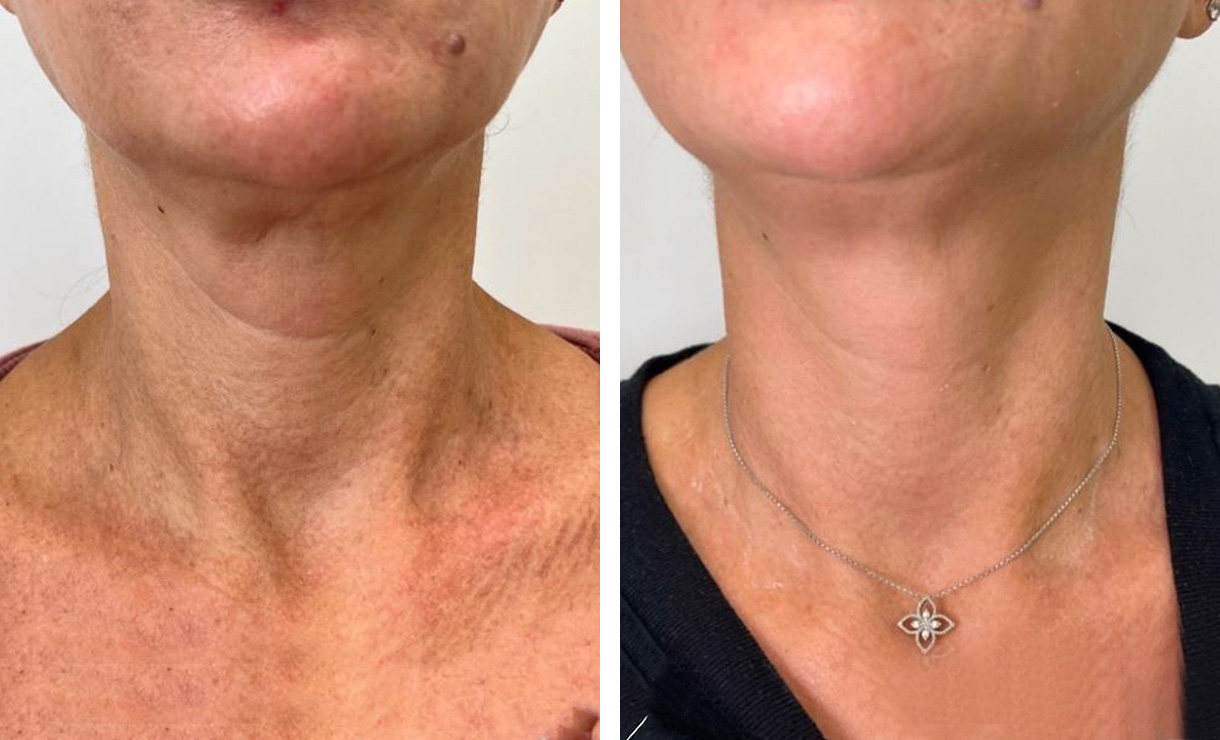
- Before
- After

- Before
- After

- Before
- After

- Before
- After

- Before
- After
Insurances Accepted
Khrom MedSpa & Weight Loss accepts most major health insurances plans. For a complete list, please visit our Insurances Accepted center.


28.300
Happy Patients
4.90
Overall Rating
5.0
Knowledge Rating
5.0
Referral Rating
Stay In Touch
Follow us on Instagram to stay up to date and get exclusive offers.
