

Call Us
05
Nov
Stuff in Your Belly Button: Causes, Remedies, and Tips for Keeping It Clean
The belly button may be small, but it can collect a surprising amount of “stuff” over time, especially in Florida’s warm and humid climate. From everyday lint to dead skin cells and even bacteria, understanding the causes of belly button buildup and knowing how to keep this area clean can help you stay comfortable and maintain good hygiene.
If you’re curious or experiencing discomfort, this guide covers belly button cleanliness, common causes, preventive tips, and safe cleaning methods designed with Florida’s unique weather in mind.
Table of Contents
show
Why Does Belly Button Buildup Happen?
The belly button, or navel, is a small and sometimes recessed area that naturally collects various types of materials, especially if missed during regular hygiene routines. Common causes include:
- Lint and Fibers: Florida’s cotton-friendly attire can leave fibers that settle in the belly button.
- Sweat and Oil: In hot and humid conditions, the belly button area can trap sweat and oils, collecting dust and other particles.
- Dead Skin Cells: Shedding skin cells build up in small, enclosed areas like the navel without proper cleaning.
- Microorganisms: A warm, moist environment can allow bacteria or fungi to grow, leading to irritation or infections.
Types of Belly Button Buildup You May Encounter
Knowing what may accumulate in your belly button can help you take steps to prevent buildup. Some common types include:
- Belly Button Lint: A mix of fibers, oils, and dead skin cells, often gray or dark in color.
- Crusty Residue: This is often dried sweat or oil and may indicate that more frequent washing is needed.
- Odor or Discharge: A bad smell or discharge could be a sign of a bacterial or yeast infection, especially in Florida’s humid environment.

When to Be Concerned About Belly Button Buildup
Regularly washing your belly button with water and mild soap should keep it clean. However, if you notice any of the following, it might be time for extra care or a visit to your healthcare provider:
- Redness or Swelling: This can indicate an infection, especially if it’s warm or tender to the touch.
- Persistent Odor or Discharge: If washing doesn’t eliminate the odor or discharge, it could be due to an underlying infection.
- Pain or Discomfort: Any ongoing pain should be assessed by a dermatologist, especially if it doesn’t improve.
At Khrom Med Spa, we’re here to help with personal hygiene tips and skincare support for all your concerns.
Tips for Everyday Belly Button Care
Maintaining a clean belly button is simple with a few basic steps:
- Daily Cleaning: Use a gentle soap and water during your shower. A washcloth or cotton swab can help reach deeper areas, but avoid excessive pressure.
- Dry Well: Moisture encourages bacteria, so make sure to dry your belly button thoroughly after washing.
- Wear Breathable Fabrics: In Florida’s heat, choosing breathable, natural fabrics can reduce lint and keep the area cooler and less prone to moisture.
- Exfoliate Occasionally: Gentle exfoliation can help reduce dead skin buildup in the area.
Can Buildup Cause Infections?
Yes, belly button buildup can lead to infections, especially in Florida’s climate. Factors that increase risk include:
- Infrequent Cleaning: When bacteria are left unchecked, they can thrive in the belly button.
- Piercings: Belly button piercings introduce a risk of infection, so keeping the piercing and surrounding area clean is essential.
- Sweaty Conditions: Florida’s hot, humid environment can trap sweat, encouraging bacteria and fungi.
DIY Belly Button Cleaning: Step-by-Step Guide
To clean your belly button safely and effectively, follow these steps:
- Gather Your Materials: Mild soap, warm water, and a cotton swab or washcloth.
- Apply Soap and Water: Gently lather the soap and water in your belly button, reaching all crevices.
- Rinse and Dry: Rinse well and dry completely with a towel to avoid any lingering moisture.
- Check for Residue or Odor: If odor or residue remains, repeat the cleaning or reach out to a skincare professional for advice.

Common Questions Answered by Dr. Tatiana Khrom
Important Tips for Florida Residents
Florida’s warm, humid climate makes it especially important to keep your belly button clean and dry. After bathing, thoroughly dry the area to prevent moisture buildup, which can foster bacteria. Breathable, natural fabrics will also help you manage sweat and reduce bacterial growth. If you’re dealing with ongoing belly button concerns, the team at Khrom MedSpa & Weight Loss can provide expert skincare advice tailored to Florida’s unique climate. Call us at (954)-738-5886 or visit our office at 12462 West Atlantic Boulevard, Coral Springs, to schedule your consultation and start your journey to smoother, healthier skin.


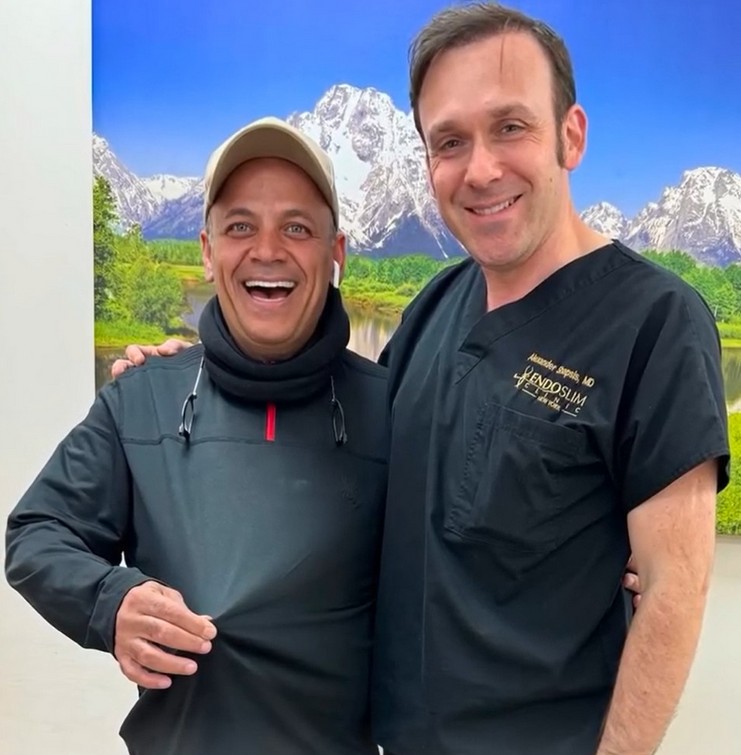
Dr. Tatiana Khrom, MD & Dr. Alexander Shapsis, MD
Dr. Tatiana Khrom, MD, a board-certified dermatologist with over 15 years of experience, and Dr. Alexander Shapsis, MD, a Board-Certified Specialist in Gastroenterology and Obesity Medicine with over 17 years of experience, are leaders in their respective fields.
Dr. Khrom offers expert cosmetic and surgical dermatology, specializing in Mohs surgery and advanced laser techniques. Dr. Shapsis provides effective, non-surgical weight loss solutions, utilizing personalized care and minimally invasive treatments. Together, they bring decades of expertise to help patients achieve their health and wellness goals with confidence.
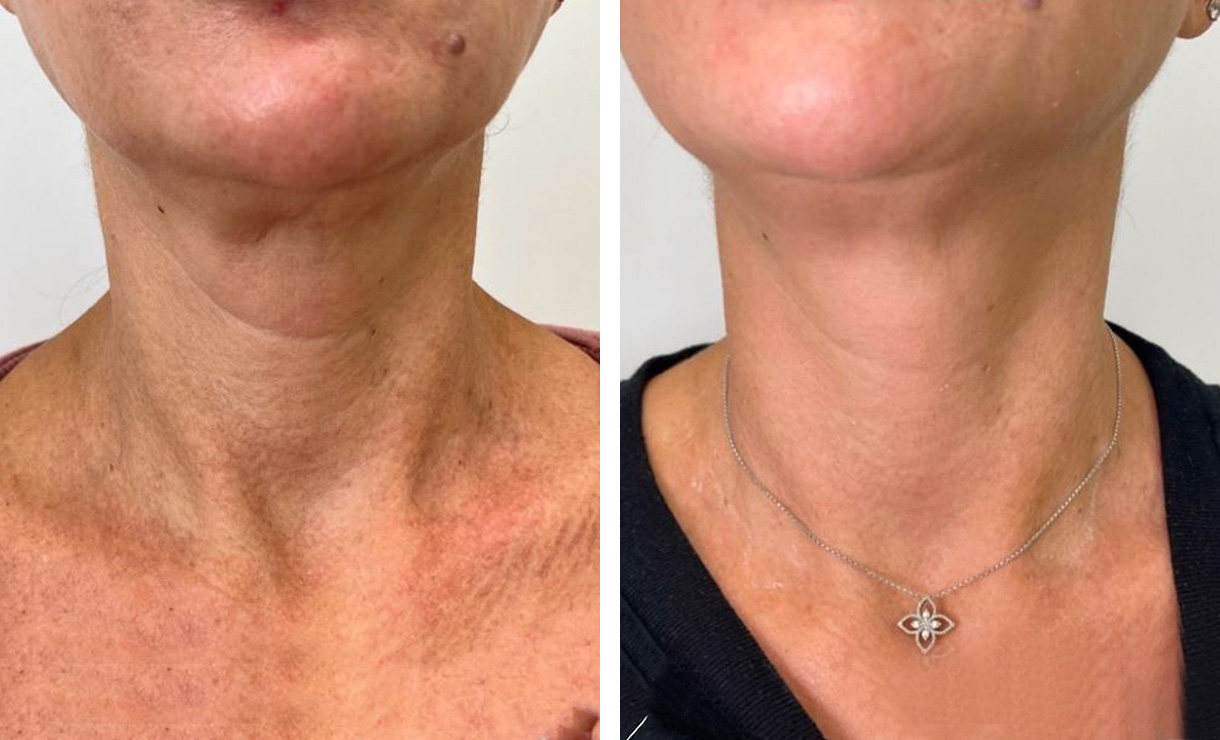
Before & After Gallery

- Before
- After

- Before
- After

- Before
- After

- Before
- After

- Before
- After

- Before
- After

- Before
- After

- Before
- After
- Before
- After

- Before
- After
- Before
- After

- Before
- After

- Before
- After

- Before
- After

- Before
- After
Insurances Accepted
Khrom MedSpa & Weight Loss accepts most major health insurances plans. For a complete list, please visit our Insurances Accepted center.


28.300
Happy Patients
4.90
Overall Rating
5.0
Knowledge Rating
5.0
Referral Rating
Stay In Touch
Follow us on Instagram to stay up to date and get exclusive offers.
